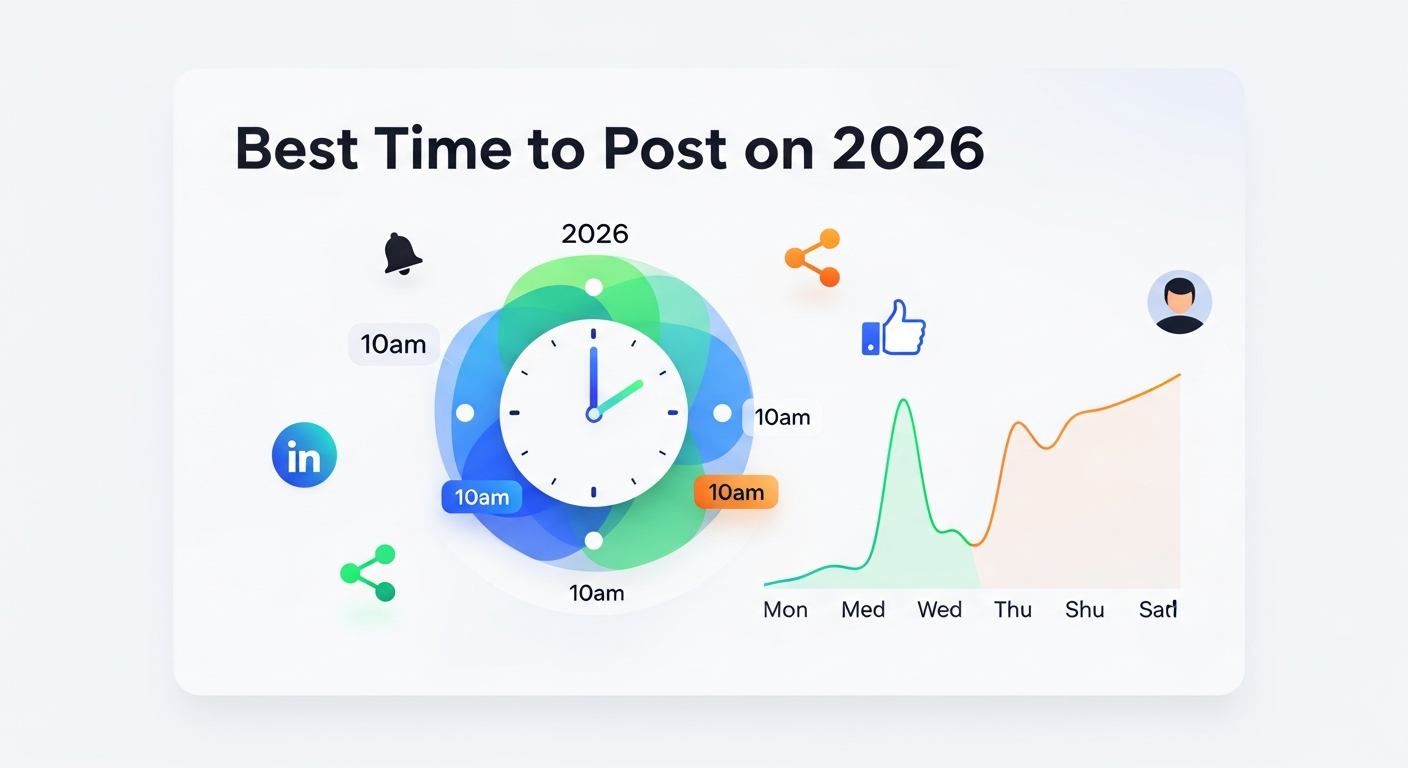
Best Time to Post on LinkedIn in 2026

sushakanaujia
Author
You know the drill: hours poured into a killer post, hit publish, and… crickets. Sound familiar? In 2026, if your content isn’t landing in front of the right eyes at the *exact* right moment, it’s invisible. Worse, it’s wasted.
We’re not playing guessing games. This is about leveraging hard data, understanding evolving user behavior, and deploying a killer LinkedIn posting schedule strategy 2026 that drives real growth. Your competitors are already trying to crack the code. You’re about to own it.
Why Your LinkedIn Timing is More Critical Than Ever in 2026
The platform isn’t static. What worked last year might be a black hole for engagement now. Stop living in the past.
The Evolving LinkedIn Algorithm: What’s New for 2026?
The algorithm is hungrier than ever for immediate engagement signals. We’re talking likes, comments (especially thoughtful ones over three words), and shares within the first 60-90 minutes of your post going live. If you nail this initial surge, LinkedIn’s algorithm acts as your personal amplifier, pushing your content to a much wider audience. Miss that window? Your reach flatlines. Precise timing isn’t a nice-to-have; it’s non-negotiable.
Beyond Best Times: Understanding User Behavior Shifts in a Hybrid Work Era
The 9-to-5 is dead. Hybrid work models mean blurred lines. People are scrolling before their first meeting, during a longer, staggered lunch break, or catching up on industry news after the kids are in bed. Evening engagement, particularly for thought leadership, is on the rise. Data Point: Studies indicate a 15-20% increase in post-workday (5-8 PM local time) engagement on professional networks in hybrid models. Adapt or get left behind.
The Cost of Poor Timing: Lost Reach, Engagement, and Opportunities
It’s not just a minor setback. A poorly timed post can result in a staggering 50-70% lower organic reach. That’s not just fewer eyeballs; that’s missed leads, squandered brand visibility, and content creation efforts down the drain. Every unoptimized post is a missed opportunity to generate revenue.
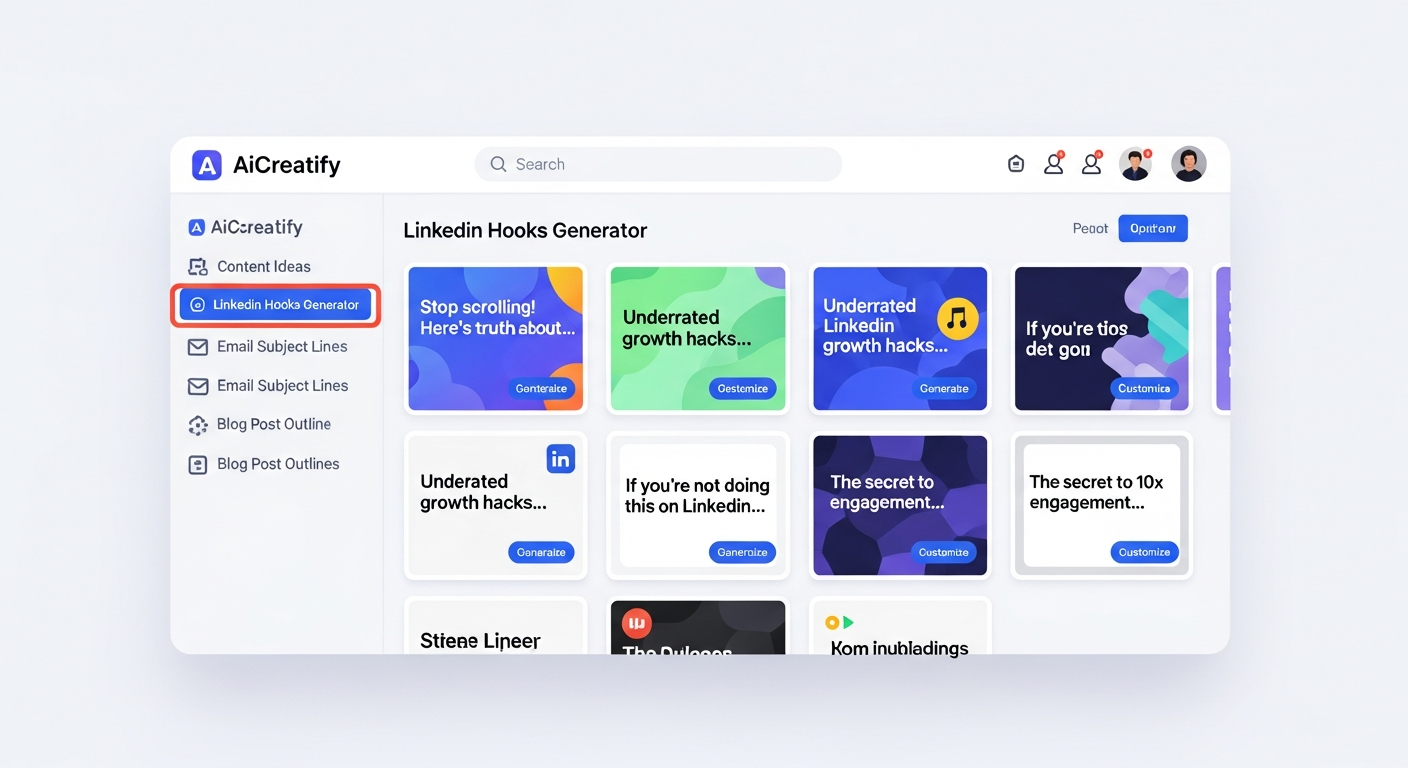
You need content that grabs attention fast, but you also need to ensure it lands at the right time. Our LinkedIn Hooks for Founders tool can arm you with viral ideas, but without the right timing, even the best hook falls flat.
Key Findings: General Best Times to Post on LinkedIn (2026 Outlook)
Let’s cut to the chase. These are the windows where the magic happens.
The Peak Performance Hours & Days: Weekday Morning & Mid-Afternoon Dominance
The core truth remains: weekdays are king. For 2026, the general consensus points to Tuesdays, Wednesdays, and Thursdays. Specifically, aim for 8:00 AM – 10:00 AM and 12:00 PM – 2:00 PM (local time zones). These slots capture the pre-work scroll, morning meeting breaks, and lunch-time browsing.
ROI Insight: Posts within these windows consistently show a 20-30% higher average engagement rate (reactions, comments, shares) and up to 15% higher CTR on embedded links compared to off-peak periods. That’s a direct boost to your bottom line.
Weekday vs. Weekend Performance: Why Weekends are Still a Gamble
Most B2B and company pages see a steep drop on weekends. Data Point: Weekend posts typically see a 40-60% decrease in impressions and engagement for corporate content. Don’t waste your prime content here.
However, there’s a nuance: highly niche, long-form thought leadership posted Sunday evenings can sometimes capture an attentive, less-distracted audience. Test this cautiously; it’s a gamble that occasionally pays off for deeper dwell time and specific niches.
Navigating Time Zones: Optimizing for Global and Distributed Audiences
Got a global reach? You can’t just pick one time. Implement a staggered posting schedule. If your audience spans EST, CST, and PST, post at 9 AM EST for the East Coast, then repurpose or re-share similar content at 9 AM PST (which is 12 PM EST) to hit the West Coast at their prime. Tools like AICreatify can automate this, ensuring maximum reach without sacrificing local relevance.
Diving Deeper: Best Times by Specific Goal & Audience
Generic “best times” are a starting point. To really win, you need to align timing with your specific objective.
For B2B Marketers & Lead Generation: When Your Prospects Are Most Receptive
You’re not just looking for eyeballs; you’re looking for qualified leads. Target Tuesday-Thursday, 9:00 AM – 11:00 AM and 1:00 PM – 3:00 PM. Decision-makers and busy professionals often check LinkedIn before deep work sessions or during planned breaks. They’re in a professional mindset, ready for solutions.
ROI Insight: Optimized timing for lead gen posts can lead to a 25% uplift in MQL (Marketing Qualified Lead) conversions. This directly slashes your customer acquisition costs (CAC) by improving organic lead flow.
For Personal Branding & Thought Leadership: Capturing Attention as an Authority
Early birds and night owls often win here. Early mornings (7:00 AM – 8:00 AM) or evenings (5:30 PM – 7:30 PM) often work best. This is when individuals are commuting, starting their day, or winding down, more open to consuming insightful, longer-form content that builds your authority.
For Job Seekers & Career Growth: Standing Out to Recruiters and Hiring Managers
Timing here is tactical. Post job openings on Monday mornings (8:00 AM – 9:00 AM) – recruiters are planning their week. For your personal brand content (thought leadership, skill endorsements), aim for Wednesday/Thursday midday (12:00 PM – 1:00 PM). Job seekers often check during their lunch breaks.
For Company Pages & Employee Advocacy: Boosting Internal & External Reach
Coordinate your efforts. For company news, post midday Tuesday-Thursday (11:00 AM – 2:00 PM). Then, immediately encourage employees to share within the first hour. This internal amplification is gold. It significantly boosts external reach due to network effects and the algorithm’s preference for initial velocity.
For Event Promotion & Announcements: Maximizing Visibility for Key Initiatives
Don’t just blast. Use a staggered approach. Initial announcement 2-3 weeks out (mid-week, mid-morning). A reminder post 2-3 days prior (same optimal times). And a “going live soon” post 1-2 hours before the event, aiming for immediate attention. This creates sustained buzz.
The Science Behind the Schedule: Why These Times Work (and Why Others Don’t)
This isn’t magic; it’s behavioral economics meeting algorithmic demands.
Professional Routines: The “Commute,” “Lunch,” and “Wrap-up” Effect
The human brain pays a “context switching” cost. Dedicated social media engagement during deep work phases is unlikely. LinkedIn engagement spikes during natural breaks. Users are actively seeking professional updates or quick mental shifts. This explains the dominance of morning, lunch, and late-afternoon windows. It’s about meeting users where their attention naturally shifts.
Algorithm Preferences: Freshness, Engagement Signals, and Dwell Time
The 2026 LinkedIn algorithm prioritizes content that generates immediate and diverse engagement (likes, comments, shares, follows from the post, clicks on links/hashtags). Longer dwell time (e.g., watching a video, reading a carousel) is a powerful signal of value. Posting when your audience is ready to engage ensures these signals are sent to the algorithm early, fast-tracking your content’s reach.
Industry-Specific Nuances: When Your Niche is Most Active
General times are a starting point. Your specific industry might defy these trends. Healthcare professionals might be more active early mornings or late evenings. Retail professionals during non-peak shopping hours. Leveraging tools to identify their specific activity patterns is crucial. Don’t guess. Know your audience.
Real-World Masters of LinkedIn Timing & Engagement
Let’s look at who’s crushing it and how they do it. This isn’t theory; it’s proven strategy.
Case Study: Gong.io’s Data-Driven B2B Content Amplification
- Brand: Gong.io (SaaS – Revenue Intelligence Platform).
- Strategy: Gong.io publishes high-value, data-rich content. But they don’t stop there. They meticulously time it to align with their target audience’s (sales leaders, revenue ops, executives) daily routines. Their posts often go live Tuesday-Thursday, between 8:30 AM – 9:30 AM PST or 12:30 PM – 1:30 PM PST.
- Execution Insight: They leverage internal analytics and advanced external tools to pinpoint exactly when their ideal customer profile (ICP) is online, scanning for industry insights before morning sales scrums or during a post-lunch information intake. Visually appealing carousels or short-form videos capture attention rapidly, ensuring high initial engagement.
- Growth Impact: This precise timing, fused with compelling content, helps Gong.io achieve incredibly high engagement rates (often 5-10% on posts). This doesn’t just look good; it drives significant organic traffic to their blog, fuels lead magnet downloads, and amplifies their brand authority, indirectly lowering their cost per lead through consistent inbound interest.
Growth Hacker Spotlight: Justin Welsh’s Personal Brand Momentum
- Growth Hacker: Justin Welsh (creator, solopreneur).
- Strategy: Welsh built a massive LinkedIn following (over 450,000 strong) by consistently delivering actionable advice for solopreneurs and creators. His strategy hinges on understanding when his audience is most receptive to learning and inspiration, often outside traditional work hours. He frequently posts early mornings (7:00 AM EST) or late afternoons/evenings (5:00 PM – 7:00 PM EST). He also strategically uses Sunday evenings for longer-form, reflective posts when platform competition is lower and people have more passive scrolling time.
- Execution Insight: Welsh combines his personal LinkedIn analytics with an intuitive understanding of his audience’s lifestyle. He uses simple, direct text posts or documents (carousels) with clear takeaways. His timing ensures his content is among the first his audience sees, or catches them when they have more time for deeper consumption, allowing for maximum impact and shareability.
- Growth Impact: This precise, audience-centric timing strategy has enabled Welsh to consistently achieve viral reach, monetize his audience through digital products, and drive high CTR to his newsletters. His posts regularly garner thousands of reactions and hundreds of comments, serving as a direct, high-volume lead generation channel.
Recruitment Revolution: Optimizing Talent Outreach with Precision Timing
- Brand: A leading global recruitment firm.
- Strategy: For job postings and career advice, these firms can no longer just “post and pray.” They rigorously analyze job seeker behavior on LinkedIn, timing their critical messages to hit candidates when they’re actively looking or passively browsing. This often means Tuesday-Thursday, 12:00 PM – 2:00 PM (lunch breaks) for general job alerts, and Monday mornings (8:00 AM – 9:00 AM) for “career change motivation” content or C-suite executive roles (when high-level professionals might be more open to new opportunities).
- Execution Insight: They leverage LinkedIn’s own “Follower demographics” and “Engagement rates by time” in their analytics, coupled with external talent market data, to pinpoint specific timing. For roles in industries with non-traditional hours (e.g., healthcare, tech startups), they might test weekend or late-night postings. They also strategically use LinkedIn Events, timing promotion posts to maximize registration ahead of peak engagement periods.
- Growth Impact: By optimizing timing, these firms experience a 30-45% increase in qualified applications per job posting and a 20% improvement in candidate-to-placement conversion rates. This significantly reduces time-to-hire and cost-per-hire metrics, giving them a crucial edge in competitive talent markets.
Leveraging Your Own Data for Personalized Timing: Your Secret Weapon
General trends are good, but your data is gold. This is how you differentiate.
How to Access and Interpret LinkedIn’s Native Analytics
Don’t just glance at impressions. Dive deeper. Focus on “Engagement Rate” (reactions+comments+shares/impressions), “Clicks,” and “Dwell Time” (for video/carousel content) as true indicators of optimal timing. This data tells you when your specific audience is most receptive to your content.
Identifying Your Audience’s Unique Activity Patterns and Demographics
Your audience might defy general trends. If your target is globally distributed, analyze “Follower demographics” for geographic distribution. Then, cross-reference with your top-performing content’s timestamp to find hidden pockets of engagement. What time do your actual followers engage, not just scroll? That’s your sweet spot.
The Power of A/B Testing Your Posting Schedule
This is non-negotiable for serious growth marketers. Design simple A/B tests. Post similar content (e.g., two different industry news updates) at different “best times” (e.g., Tuesday 9 AM vs. Wednesday 1 PM) and track metrics. Repeat this for several weeks to identify statistically significant differences. Don’t guess; test.
Campaign Blueprint: Launching a High-Value Webinar in 2026 for B2B Leads
Let’s put it all together. Here’s a high-impact blueprint for a B2B webinar launch, optimized for timing.
Defining Campaign Goals & Target Personas
- Goal: Drive 500 webinar registrations, secure 150 MQLs, and convert 50 SQLs from the webinar audience over 6 weeks.
- Target: Mid-to-senior level IT Managers, CTOs, and Security Architects in the B2B SaaS space (primarily EST, CST, PST).
- Product Context: We’re launching a cutting-edge AI-powered cybersecurity solution.
Multi-Phase Content Strategy & Timed Distribution
- Phase 1: Awareness & Tease (Weeks 3-4 Pre-Webinar)
- Content: Short-form industry statistics, problem-solution snippets, “sneak peek” of webinar topics (text posts, engaging carousels).
- Timing: Tuesdays/Thursdays, 8:30 AM EST (hits EST early, CST mid-morning). Re-post similar content Wednesday, 1:00 PM PST (hits PST midday, CST mid-afternoon).
- Rationale: Build anticipation and identify initial interest by catching professionals as they start their day or take a midday break.
- Phase 2: Registration Drive (Weeks 1-2 Pre-Webinar)
- Content: Webinar speaker bios, key takeaways, testimonials from previous events, direct registration CTAs (event posts, LinkedIn Live Q&A teasers, video invites).
- Timing: Tuesdays/Wednesdays, 9:00 AM – 10:00 AM EST (prime B2B lead generation window). Also, Wednesday/Thursday, 12:30 PM – 1:30 PM CST (catching lunch breaks).
- Rationale: Maximize registrations by hitting decision-makers when they are in a professional mindset, actively seeking solutions. Data Point: Direct CTA posts during optimal hours can yield a 2-3% CTR for webinar registrations from a targeted audience.
- Phase 3: Last Call & Live Engagement (Day Before & Day Of)
- Content: “Last chance to register!” post, “Going live in 1 hour!” post, interactive polls related to webinar topic.
- Timing: Day before: Wednesday, 3:00 PM EST (catch end-of-day planning). Day of: Thursday, 10:00 AM EST (1-hour before 11 AM webinar start).
- Rationale: Drive urgency and maximize attendance by providing timely, unmissable reminders when attention is naturally higher.
Measuring Success: Key Metrics & Iteration
- Metrics: Track LinkedIn Event registrations, post impressions, engagement rates (clicks, comments, shares on registration posts), unique visitors to the landing page from LinkedIn, and ultimately, MQL conversions from the webinar.
- Iteration: Analyze which specific timing slots generated the highest registration CTRs. If a morning post performed better for EST, double down on similar content at that time next week. If a late afternoon post captured more PST interest, allocate more resources to that slot for follow-up content. This continuous feedback loop ensures your strategy constantly improves.
Step-by-Step Walkthrough: Setting Up Your Optimal LinkedIn Schedule with AICreatify
This is where you stop guessing and start scaling. Automate your growth.
Step 1: Connecting Your LinkedIn Profile/Page to AICreatify for Data Sync
First, link your LinkedIn profile or company page. This simple connection lets AICreatify pull your historical data – it’s the foundational step for personalized insights.
Step 2: Analyzing Historical Performance Data for Predictive Insights
AICreatify goes beyond basic analytics. It uses advanced machine learning to identify not just peak activity, but also peak engagement quality – distinguishing between a high number of likes versus meaningful comments or shares, which are stronger algorithmic signals. We track what actually moves the needle for your audience, providing truly predictive insights.
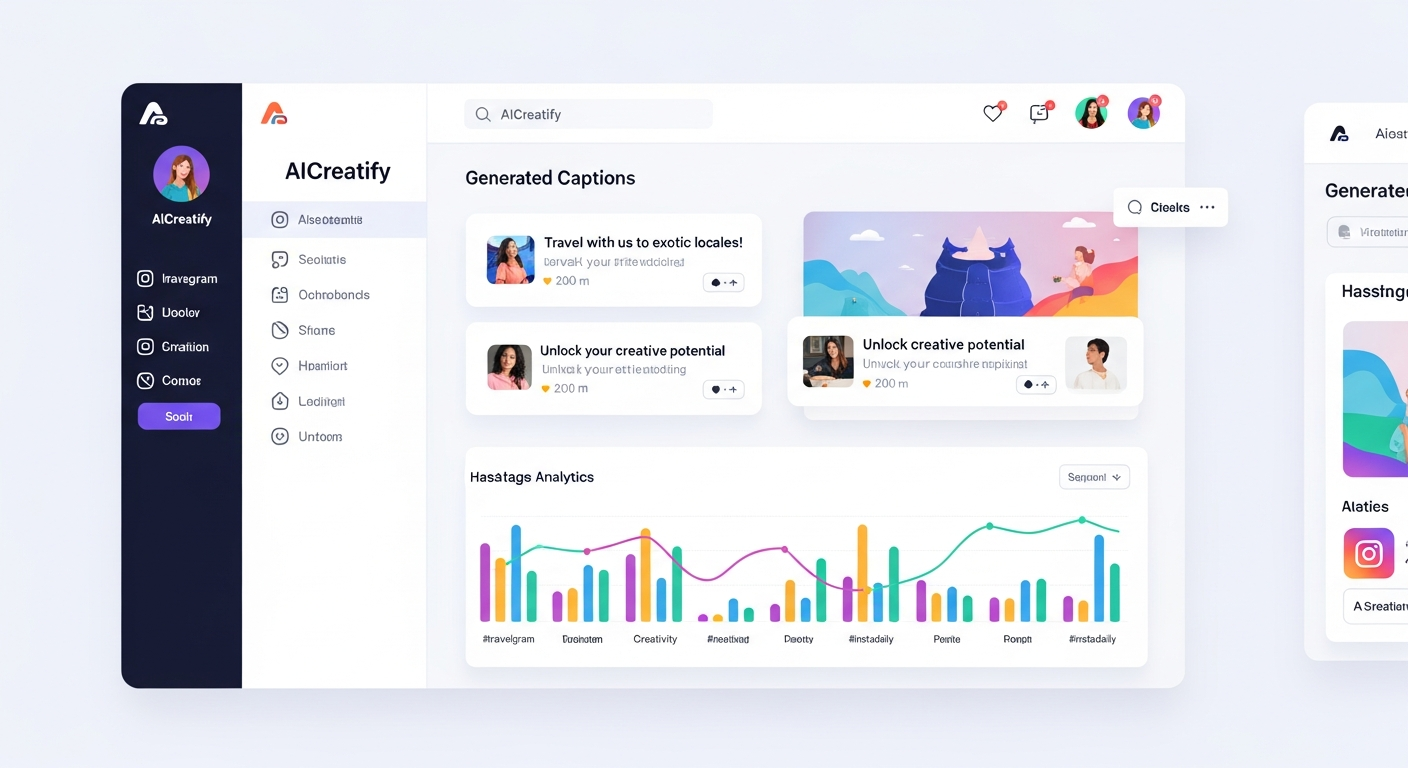
While we’re talking LinkedIn strategy, remember AICreatify is your secret weapon for all platforms. From our Instagram Caption Generator to a robust Hashtag Generator, we’ve got your entire social game covered, ensuring consistent, high-performing content everywhere you need it.
Step 3: Crafting a Dynamic Weekly Schedule with AI-Suggested Slots
Based on your unique data, AICreatify suggests optimal posting slots. But it’s not static. Set up content queues for different types of content (e.g., “Thought Leadership Queue,” “Product Update Queue”). AICreatify intelligently distributes these across optimal slots based on how each content type has performed historically. It’s a dynamic, self-optimizing system that learns and adapts with your audience.
Step 4: Monitoring, Iterating, and Automating for Continuous Improvement
AICreatify keeps watch. Get real-time alerts when a post is trending or underperforming, allowing for immediate intervention. Boost a high-performer with a small ad budget, or quickly respond to comments to extend a post’s life. This agile approach is critical for 2026: the platform never sleeps, and neither should your optimization efforts.
Ready to stop leaving growth on the table? It’s time to try AICreatify for free and revolutionize your LinkedIn strategy.
Operationalizing Your 2026 LinkedIn Strategy: Beyond Just Scheduling
Timing is crucial, but it’s part of a larger ecosystem. Here’s how to make it all work.
Content Cadence & Cross-Functional Alignment
Establish a weekly content meeting with marketing, sales, and product teams. Map out upcoming content, identify key themes, and connect it all to core business goals. Use a shared content calendar that integrates with AICreatify to pre-populate drafts. This ensures a consistent flow of relevant, high-impact content and eliminates last-minute scrambles.
Amplification Tactics: The Power of Internal Advocacy & External Repurposing
- Implement a formal employee advocacy program. Use a tool (or a simple Slack channel) to alert employees immediately when a key post goes live. Provide pre-approved sharing messages or prompt them to add their own insights. Employee shares significantly boost initial reach and signal to the algorithm that the content is valuable.
- Repurpose high-performing content. If a text post performs well at 9 AM Tuesday, adapt it into a short video or a visually rich carousel for a 1 PM Thursday slot. Maximize every piece of content by hitting different audience segments at their preferred consumption times and formats.
Agile A/B Testing & Rapid Iteration Loops
Beyond just timing, A/B test content formats (video vs. carousel vs. text), headline hooks, and CTA phrasing. Run these tests concurrently with your timing experiments. Establish weekly performance reviews. Based on AICreatify’s insights, adjust the next week’s content strategy and posting schedule. Don’t wait a month to iterate. LinkedIn’s algorithm is dynamic; continuous, rapid iteration based on real data is your only path to staying ahead.
Setting Up Engagement Alerts & Response Protocols
Configure alerts in AICreatify or native LinkedIn for high-engagement posts and key comments. Assign team members specific roles for prompt responses (e.g., sales reps respond to lead-gen comments, marketing responds to general inquiries). The algorithm rewards rapid and meaningful interaction. A quick, thoughtful response can extend a post’s visibility and deepen community engagement, potentially transforming a passive follower into an active lead.
Beyond Timing: Other Critical Factors for LinkedIn Success in 2026
Timing is powerful, but it’s part of a whole growth machine.
Content Quality & Relevance: The Undisputed King
Even perfect timing won’t save bad content. Deliver value, solve problems, spark thought. Always.
Proactive Engagement & Community Building: Don’t Just Post, Interact!
LinkedIn is a social network. Engage with others’ content, comment thoughtfully, build relationships. It’s not a broadcast platform.
Leveraging New LinkedIn Features (e.g., Creator Mode, Newsletters, Live Video, Carousels)
Stay agile. LinkedIn constantly rolls out new features. Experiment with Creator Mode, launch a newsletter, leverage live video, and master carousel posts. Early adopters often reap big rewards.
The Synergy of Personal Profiles and Company Pages
They’re not mutually exclusive. Your company page sets the brand, your personal profile drives thought leadership. Make them work together, amplifying each other’s reach and impact.
Future-Proofing Your LinkedIn Strategy: What to Watch Out For
The only constant is change. Be ready.
The Growing Influence of AI in Content Creation and Distribution
AI is not just a tool for timing; it’s revolutionizing content generation, personalization, and even audience segmentation. Embrace it – or be left behind.
Anticipating Further Platform Updates and Algorithm Shifts
LinkedIn will evolve. Stay subscribed to their updates, follow industry leaders, and be prepared to adapt your strategy on the fly. Rigidity is death.
The Importance of Agility and Continuous Learning
Never settle. Your “optimal” strategy today might be outdated tomorrow. Continuously test, learn, and refine. Your growth depends on it.
FAQs
Q: Do LinkedIn posting times really change year to year, and why?
A: Absolutely! Optimal times are dynamic. User behavior shifts (like the rise of hybrid work), the introduction of new platform features, and algorithm updates all constantly impact when your content performs best. What worked in 2024 might be suboptimal in 2026. Data-driven tools like AICreatify are crucial for staying ahead of these shifts.
Q: Is it better to post on LinkedIn early morning or late afternoon for my industry?
A: This depends heavily on your specific industry and audience’s unique routines. General B2B often sees morning and mid-afternoon peaks. However, some creative industries, or those with non-traditional work hours (e.g., healthcare, late-night tech), might thrive with early morning or late evening posts. Always check your own analytics first – your audience might defy general trends.
Q: How often should I post on LinkedIn for best results in 2026?
A: Quality over quantity, always. For company pages, 3-5 high-value posts a week can be highly effective. For personal profiles, 2-3 genuinely insightful posts a week can maintain strong visibility without overwhelming your network. Consistency and delivering real value are far more important than sheer volume.
Q: Can AICreatify help me understand my specific audience’s active hours?
A: Yes, absolutely. By securely connecting your LinkedIn profile or page, AICreatify goes beyond generic averages. It rigorously analyzes *your* historical engagement data, identifying *your* unique audience’s peak activity and, critically, peak *engagement quality* times. It then provides personalized, data-backed recommendations tailored specifically to your content and followers.
Q: What are the absolute worst times to post on LinkedIn?
A: Generally, late Friday afternoons, weekends (especially Saturday), and very late evenings (after 8 PM local time for most corporate content) tend to see the lowest engagement for the majority of B2B and company pages. While there are always niche exceptions, these are high-risk periods where your content is most likely to get lost in the feed.
Conclusion: Master Your LinkedIn Presence in 2026 with Data-Driven Timing
Stop guessing. Start growing. In 2026, optimal timing on LinkedIn isn’t a suggestion; it’s a strategic imperative. From understanding algorithm shifts to leveraging your own data, every decision you make about when to post directly impacts your reach, engagement, and ultimately, your bottom line.
By combining these general best practices with deep dives into your own analytics and the power of AI-driven tools like AICreatify, you can craft a LinkedIn content strategy 2026 for maximum reach. Don’t just publish; dominate your niche.
Ready to unlock your ultimate LinkedIn potential? Get started with AICreatify for free and transform your timing from a challenge into your biggest competitive advantage.
About Author
Susha Kanaujia
Product Manager and AI enthusiast with 16+ years of experience in technology and digital products.
Is Your LinkedIn Profile Holding You Back?
Get an instant AI audit of your headline, About section, and keywords. Discover exactly what recruiters see and get 1-click Before & After rewrites to rank higher in searches.
+42% Recruiter Views predicted if you fix 3 keyword gaps.
🚀 Enjoying AICreatify?
We'd love your support on Product Hunt. ❤️ Upvote us and share your feedback.